Sushi vs Sashimi: What Is Sashimi, and What's the Difference?
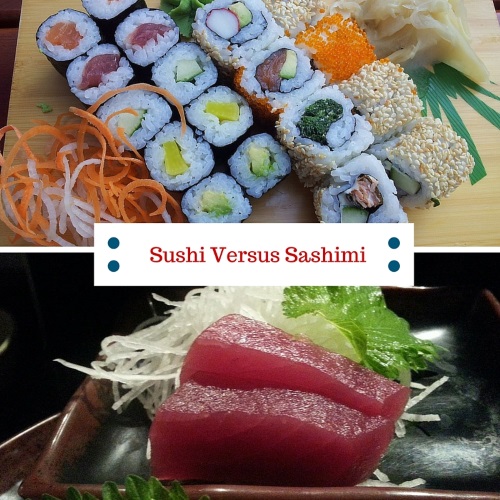
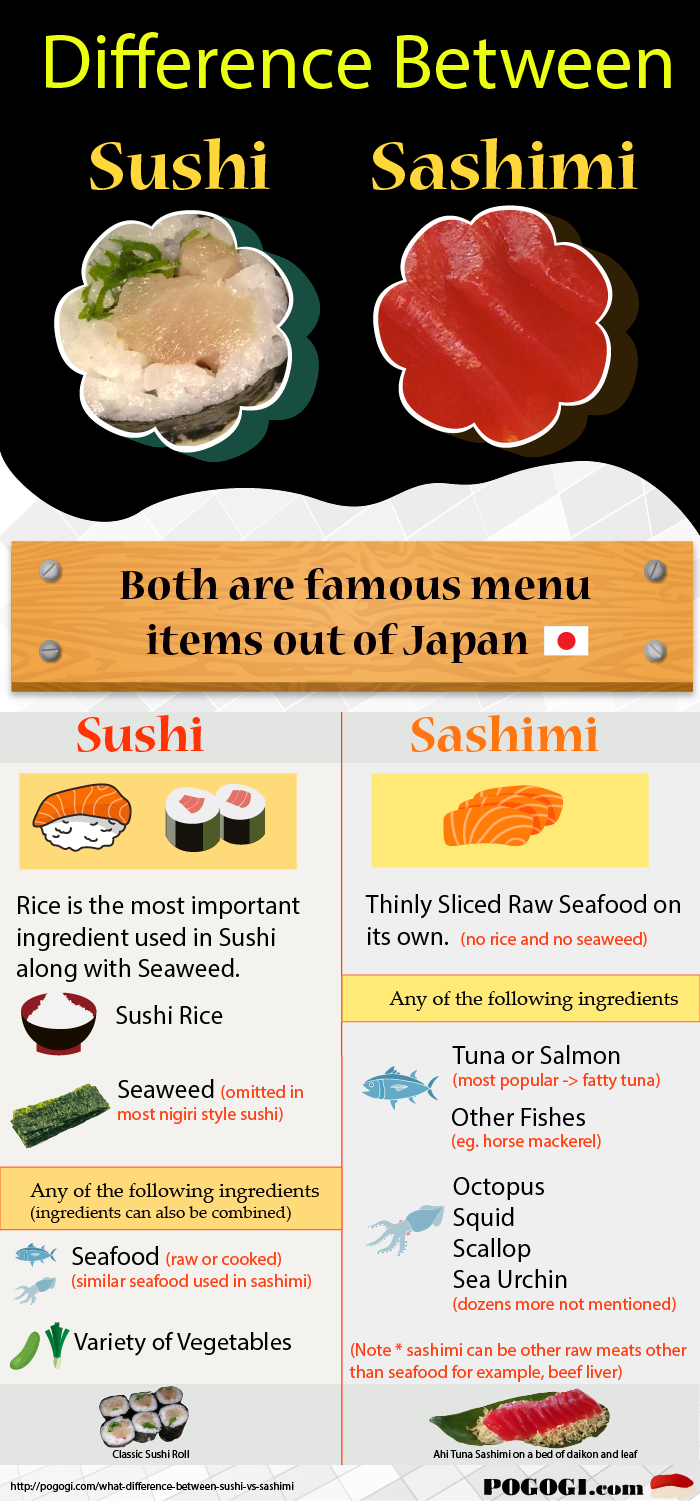
Sashimi is thinly sliced raw fish or seafood served entirely on its own — no rice. Sushi is any dish built on vinegared rice, which may or may not include raw fish at all. That single distinction — the rice — is the whole answer, and it is the opposite of what most people assume.
The common misconception is that sushi means raw fish and sashimi is a kind of sushi. Neither is true. You can eat sushi that contains no fish whatsoever, and sashimi is never sushi, because the moment you add vinegared rice it stops being sashimi.
What Is Sashimi?
Sashimi (刺身) is fresh raw fish, seafood or meat, sliced thinly and served without rice, usually with soy sauce, wasabi and a bed of shredded daikon radish. It is defined by what it is not wrapped in as much as by what it is: sashimi stands alone on the plate.
The slicing is the craft. A sashimi chef cuts with the grain of the flesh in mind, adjusting thickness and angle to the fish — a firm white fish is cut differently from fatty tuna belly, and the same fillet handled two ways will eat quite differently. This is why sashimi is regarded as a test of a chef’s skill despite involving no cooking at all.
The name itself is revealing. Sashimi translates roughly as “pierced body,” and one long-standing explanation is that it comes from the practice of pinning the fish’s tail or fin to the plated slices — once a fish is filleted and cut, you can no longer tell what it was, so the identifying part was served alongside it.
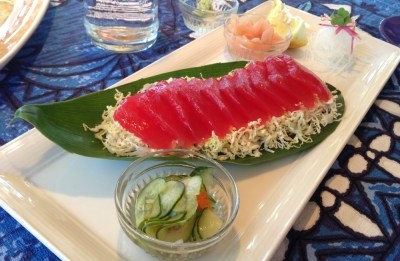
Mostly saltwater fish is used. Freshwater fish more commonly carry parasites that survive in raw flesh, which is why they are largely avoided for raw preparations. Not every sashimi is strictly raw, either — surf clam (hokkigai) is briefly boiled, and some fish are seared or blanched — but the plate is still sashimi, because there is still no rice.
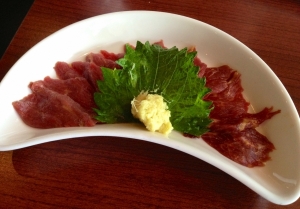
Sashimi is also not limited to fish. Octopus, scallop, sea urchin and even horse meat (basashi) are all served this way. For the full range, see our guide to sashimi and its different types.
What Is Sushi?
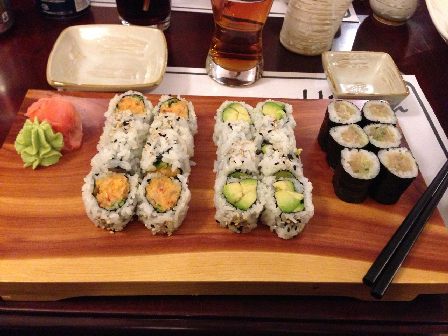
Sushi is any dish built on rice dressed with vinegar. That is the only element common to every sushi dish. The rice is combined with a huge range of other ingredients — raw fish, yes, but also seaweed, cucumber, soy paper, omelette and avocado, among many others.
So sushi does not need to contain raw fish, or any fish at all. Despite the popular belief, the word does not mean “raw fish” — it derives from an old adjectival form meaning “sour,” a reference to the vinegared rice and to the fermented fish the dish originally used.
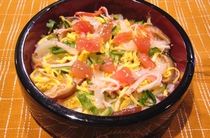
That original form, nare-zushi, was a preservation method rather than a meal: fish packed in rice and left to ferment, with the rice discarded before eating. It developed in Southeast Asia, spread through southern China and eventually reached Japan, where it evolved over centuries into the fresh, fast, vinegar-seasoned dish recognisable today. Modern sushi has since branched into hand-formed (nigiri), pressed (oshizushi), rolled (maki) and scattered (chirashi) styles.
Sushi vs Sashimi: The Difference at a Glance
| Sushi | Sashimi | |
|---|---|---|
| Defining element | Vinegared rice | Thinly sliced raw fish or meat |
| Contains rice? | Always | Never |
| Always raw? | No — often no fish at all | Almost always, with a few blanched or seared exceptions |
| Typically eaten with | Hands or chopsticks (nigiri is traditionally eaten by hand) | Chopsticks |
| Served with | Soy sauce, wasabi, pickled ginger | Soy sauce, wasabi, shredded daikon, shiso |
| Place in a meal | Can be the meal itself | Usually early, before stronger flavours |
| Judged on | Rice seasoning and balance as much as the fish | The quality of the fish and the cut |
Is Sashimi a Type of Sushi?
No. This is the most common point of confusion, and it is worth stating plainly: sashimi is not a subcategory of sushi. They are two separate things that happen to appear on the same menus and share the same accompaniments.
Where the confusion comes from is nigiri — a slice of raw fish pressed onto a small bed of vinegared rice. Nigiri looks like sashimi with rice underneath it, and functionally that is what it is. But that rice is precisely what makes nigiri sushi and not sashimi. Raw fish on rice is sushi; the same slice of fish on its own is sashimi.
So “sashimi sushi” is not really a dish. If you are ordering and you want fish without rice, the word you want is simply sashimi.
How Each Is Served and Eaten
Sashimi typically arrives on a bed of shredded daikon (tsuma) with a shiso leaf, wasabi and soy sauce. Pour a modest amount of soy into the dish — restraint is part of the etiquette here — and resist stirring the wasabi into it. Dab the wasabi onto the fish instead, or dip the fish lightly into the soy. Mixing the two into a slurry muddies both and is considered poor form.
Sushi comes with the same soy and wasabi plus pickled ginger (gari), which is a palate cleanser between pieces, not a topping. Nigiri is traditionally eaten with the fingers — there is a proper way to eat nigiri sushi — though chopsticks have become entirely normal.
In a multi-course meal, sashimi generally comes early, while the palate is clean and before dishes with stronger seasoning arrive. This ordering is deliberate, and it reflects the same seasonal, ingredient-first thinking that earned washoku — traditional Japanese cuisine — UNESCO intangible cultural heritage status.
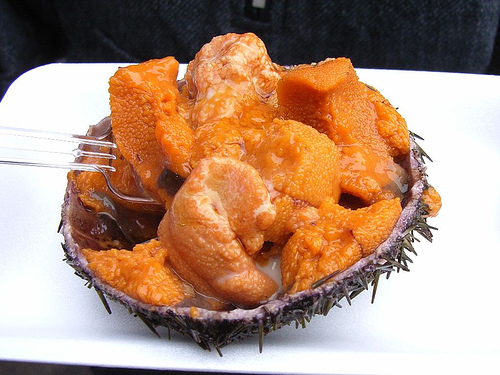
Photo by sigusr0 on Flickr
Raw Fish Safety
Because sashimi and most nigiri toppings are raw, sourcing matters more than with any cooked dish.
- “Sushi-grade” is a marketing term, not a regulated standard. It signals a supplier’s confidence rather than a certification. What matters is a fishmonger who knows the fish is intended to be eaten raw and handles it accordingly.
- Freezing is the standard parasite control. Fish intended for raw consumption is generally frozen to specified temperatures and durations to kill parasites such as Anisakis. Certain species, notably some tuna, are treated as exceptions. This is why “previously frozen” is not a mark against raw fish — it is usually the point.
- Mercury varies enormously by species. Large predatory fish accumulate the most; smaller species far less. Anyone eating fish often, and particularly anyone pregnant, should work from the FDA’s current advice rather than any general rule of thumb.
- Pregnancy, immunocompromise, and very young or elderly diners. Raw fish is normally advised against in all of these cases. Cooked options — including plenty of sushi that contains no raw fish at all — are the straightforward alternative.
The Short Answer
Sushi is about the rice. Sashimi is about the fish. If there is vinegared rice on the plate you are eating sushi, whatever is on top of it; if there is beautifully sliced fish and nothing under it, that is sashimi. Order both — they are not competing, and a good Japanese meal often includes each.
References
- U.S. Food and Drug Administration · Advice about eating fish, including mercury guidance for pregnancy
- U.S. Food and Drug Administration · Selecting and serving fresh and frozen seafood safely
- UNESCO · Washoku, traditional dietary cultures of the Japanese