What Is Shirataki Rice Made Of? Konjac, Not Rice
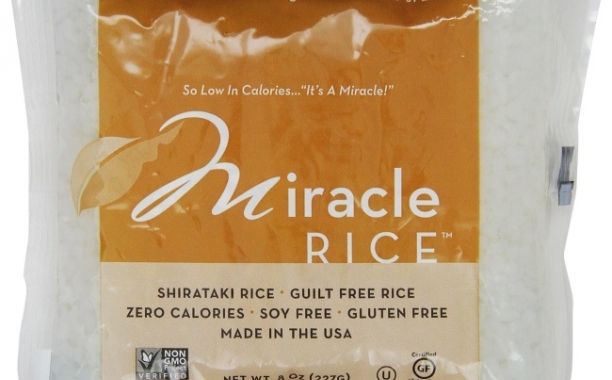
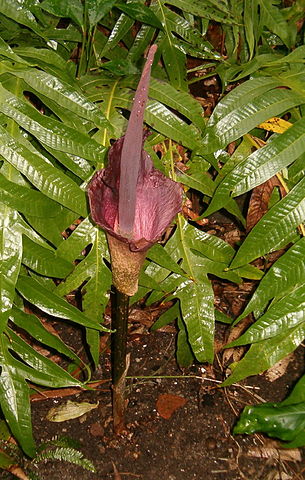
Shirataki rice is made from konjac, not from rice at all. The grains are shaped from a flour milled out of the konnyaku — a starchy corm, much like a potato, harvested from the konjac plant. That flour is largely glucomannan, a soluble fiber, and it is the glucomannan that gives shirataki both its springy texture and its unusual nutrition profile. Though it is still fairly new to Western kitchens, konjac has been part of the Asian diet for nearly 2,000 years.
Shirataki Rice Popular?
Shirataki rice has recently earned a lot of attention in North America and Europe because the rice is almost entirely water and soluble fiber, so it carries virtually no digestible carbohydrate, no fat, and very few calories. Hence, this rice has become the preferred choice of many dieters. It isn’t yet as popular as Shirataki Noodles, but has been gaining ground in the health industry. The sticking point for both — and more so for the rice — is cost, along with competition from brown and wild rice.
What Makes this Rice Special?
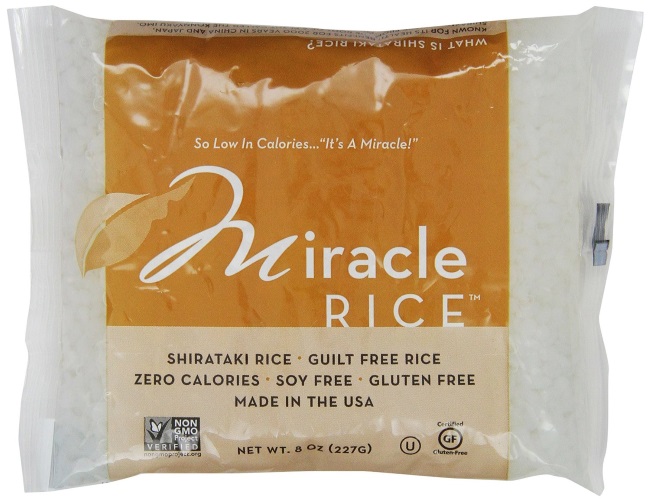
The rice is so low in carbohydrates and calories it is said to be consumed by Japanese women on a regular basis to stay slim. And, apart from being very low in calories, the rice is also soy free and gluten free, so it is particularly beneficial for those with soy and gluten allergies. Moreover, it is simple and quick to prepare. It also has little flavor of its own, but it can effortlessly blend into numerous Asian dishes. The rice easily absorbs the flavor of the spice or sauce you prepare.
Contents of Shirataki Rice?
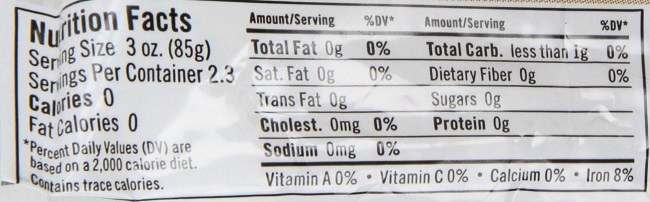
The rice is primarily made of soluble fiber that is essential for many of us. This fiber helps to fills you up by making you feel sated, and also aids in digestion. The miracle rice slows down your digestion process, which in turn, slows and regulates the absorption of glucose, thus making it beneficial for diabetics. The rice can essentially aid with diabetes control. In addition, consuming glucomannan can help with constipation, without leaving you feeling gassy or bloated. There is evidence that soluble fiber also helps to lower cholesterol and may reduce the risk of hemorrhoids and diverticulitis.

You can easily replace one meal with a low fat, low calorie meal that includes Shirataki rice in order to cut down your caloric intake and enhance your overall health. Due, to all these essential benefits, this guilt-free rice is aptly known as the Miracle Rice!