What Is Mirin? Japanese Sweet Rice Wine (Not a Sauce)
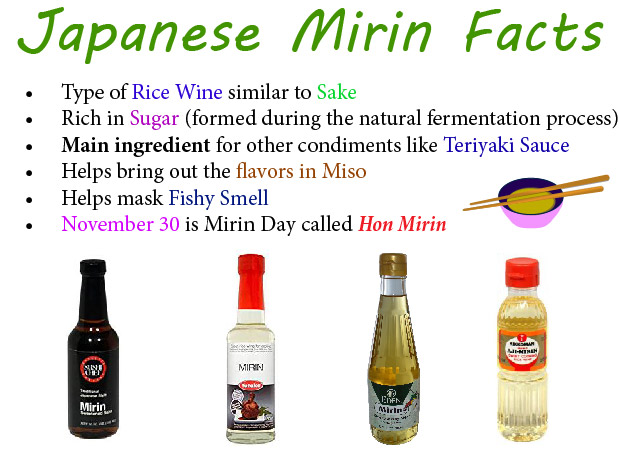
Mirin is a sweet Japanese rice wine used in cooking, not drinking — lower in alcohol than sake, high in natural sugar, and the ingredient behind the glossy sheen on teriyaki and grilled fish. That sweetness is not added sugar: it forms as complex carbohydrates during a natural fermentation process, which is why mirin tastes rounder and less sharp than a simple sugar syrup would.
There are different types depending on the alcohol content. This is achieved by further heating allowing the base alcohol to evaporate and deriving at a specific alcohol content. Considered the true mirin, Hon-Mirin contains around 14% alcohol and is produced over roughly 40 days, through the slow starch-to-sugar conversion called saccharification.
Called the new style, Shin-Mirin has less than 1% alcohol but keeps much of Hon-Mirin’s sweetness. There is also Shio-Mirin, which has roughly 2% salt added to it. The salt is the point: it makes the liquid unpalatable as a drink, which exempts it from Japan’s liquor tax. The alcohol itself is not reduced.
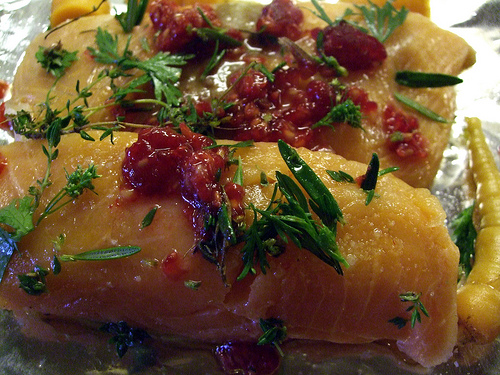
Photo by SMcGarnigle / CC BY 2.0 - Miso and Mirin Marinated sauce on Salmon
Regional Uses
The use of mirin in Japanese cooking can vary depending on the region or prefecture as they call it. In Kansai, mirin is briefly boiled before being used to allow further evaporation of the alcohol leaving a rich sugary taste. On the other hand, it can also be used untreated or as a raw additive material in dishes especially in the Kanto regional style of cooking.
In general, this rice wine has flavors of sweetness making it a good contrast when being used with salty sauces. For example, mirin goes best when mixed with soy sauce where it will add a layer thickness and a nice golden color.
Heighten the Flavors of Dishes
Not just as a condiment, it can also become a main ingredient for other condiments like teriyaki sauce. It can also be used to bring up the flavor soups like miso. Mirin is also used to add a bright touch to grilled or boiled fish while hiding or masking the fishy smell. With this, it comes best when you are eating sashimi or sushi.
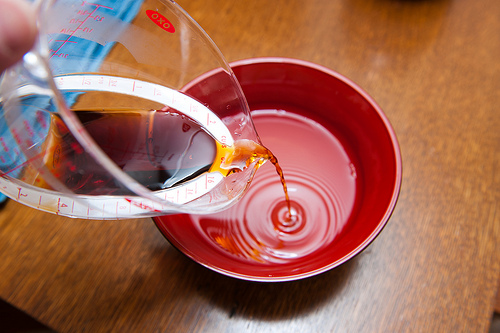
Photo by Star112 / CC BY 2.0
On top of these traditional usage of mirin in Japanese cuisine, new age Japanese have their own version on how to use mirin. A perfect and popular example of this is making a dipping sauce that is made up of sesame seed oil, rice vinegar, soy sauce and mirin, that when mixed, goes perfectly with frozen dumplings.
You just have to remember one thing when you use mirin: it should not be used in excess, either as a marinating ingredient, finishing medium or just for making sauces since its flavor is quite strong.
National Day?
Due to the popularity by both old and new aged Japanese, the mirin industry of Japan has designated November 30 of each year as the Day of Hon Mirin. Festivals around Japan prepare their unique and traditional dishes that has been added or inspired by this popular alcoholic Japanese condiment.
Mirin Facts Recap
- Rich in Sugar (formed during the natural fermentation process)
- Main ingredient for other condiments like Teriyaki Sauce
- Helps bring out the flavors in Miso
- Helps mask Fishy Smell
- November 30 is Mirin Day called Hon Mirin