Sanma: Why Japan's Autumn Saury Became a Luxury Fish
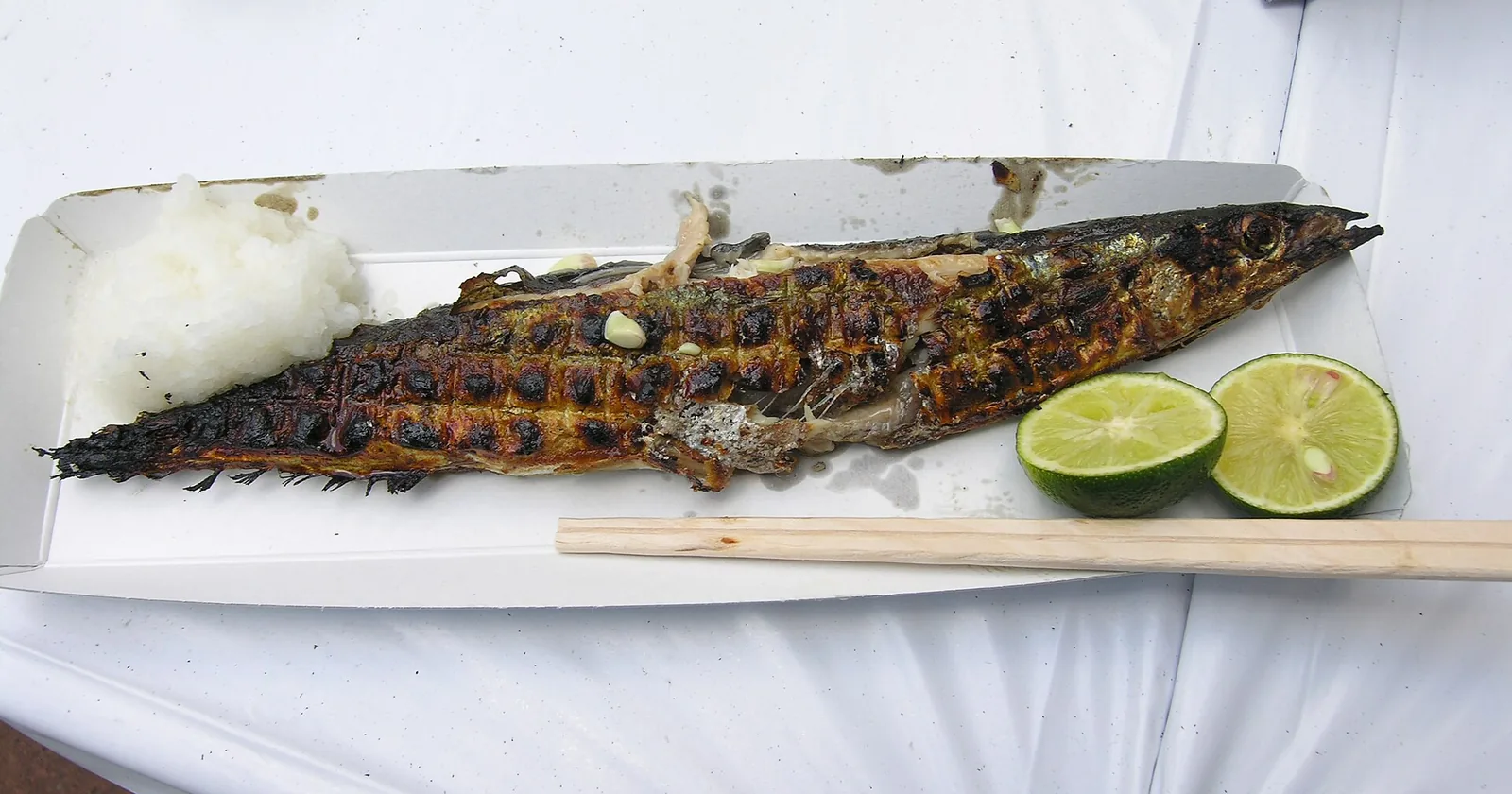
Sanma, Japan's autumn saury, used to cost about 100 yen a fish. Here is how to grill sanma shioyaki, why the grated daikon matters, and what collapsed the catch.
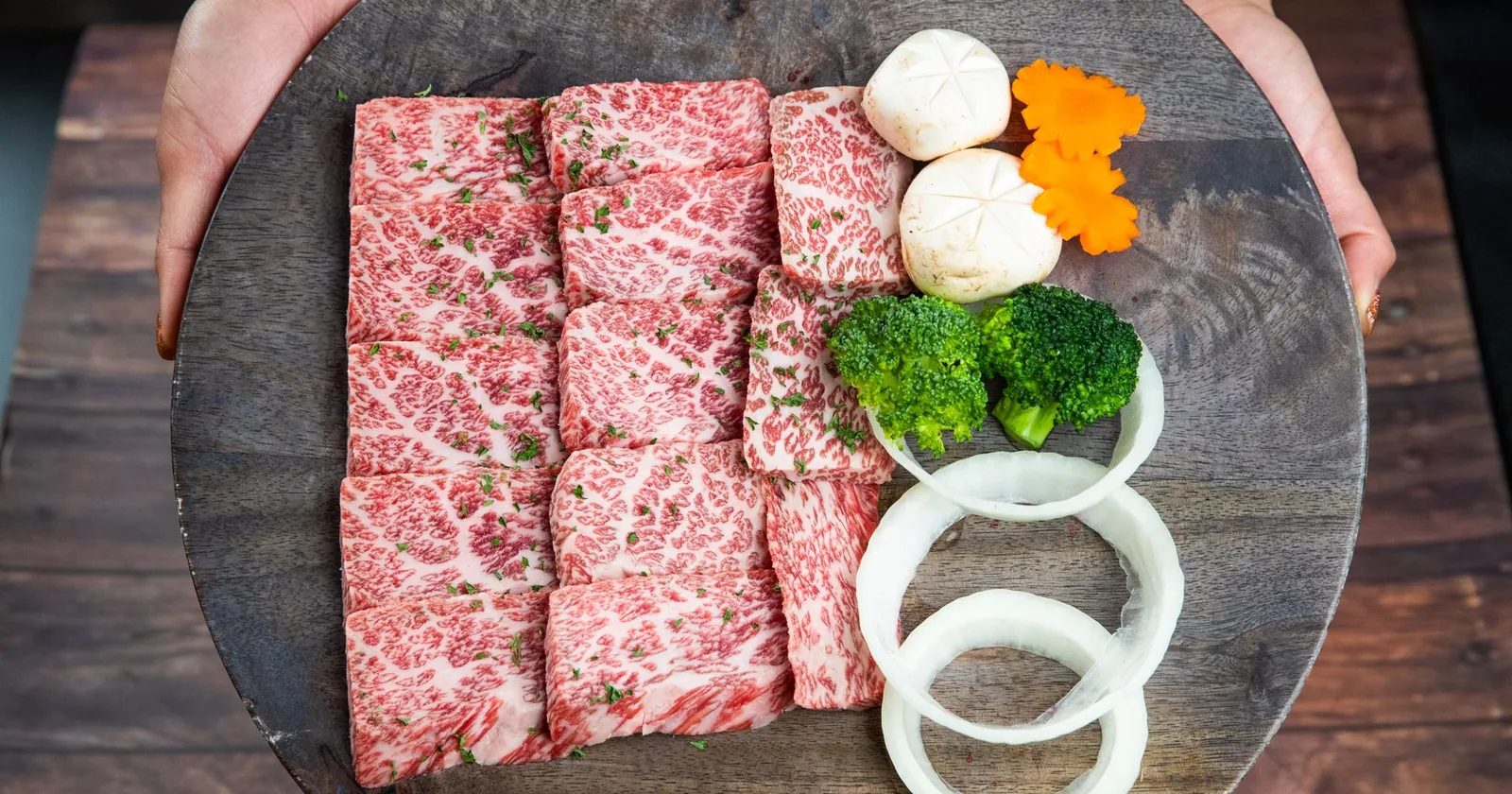
Wagyu is on menus everywhere and the word is barely regulated outside Japan. Here is what the four breeds, the 10-digit ID number, the A5 grade and the Kobe Beef rules actually certify, and the red flags that mean you are overpaying.
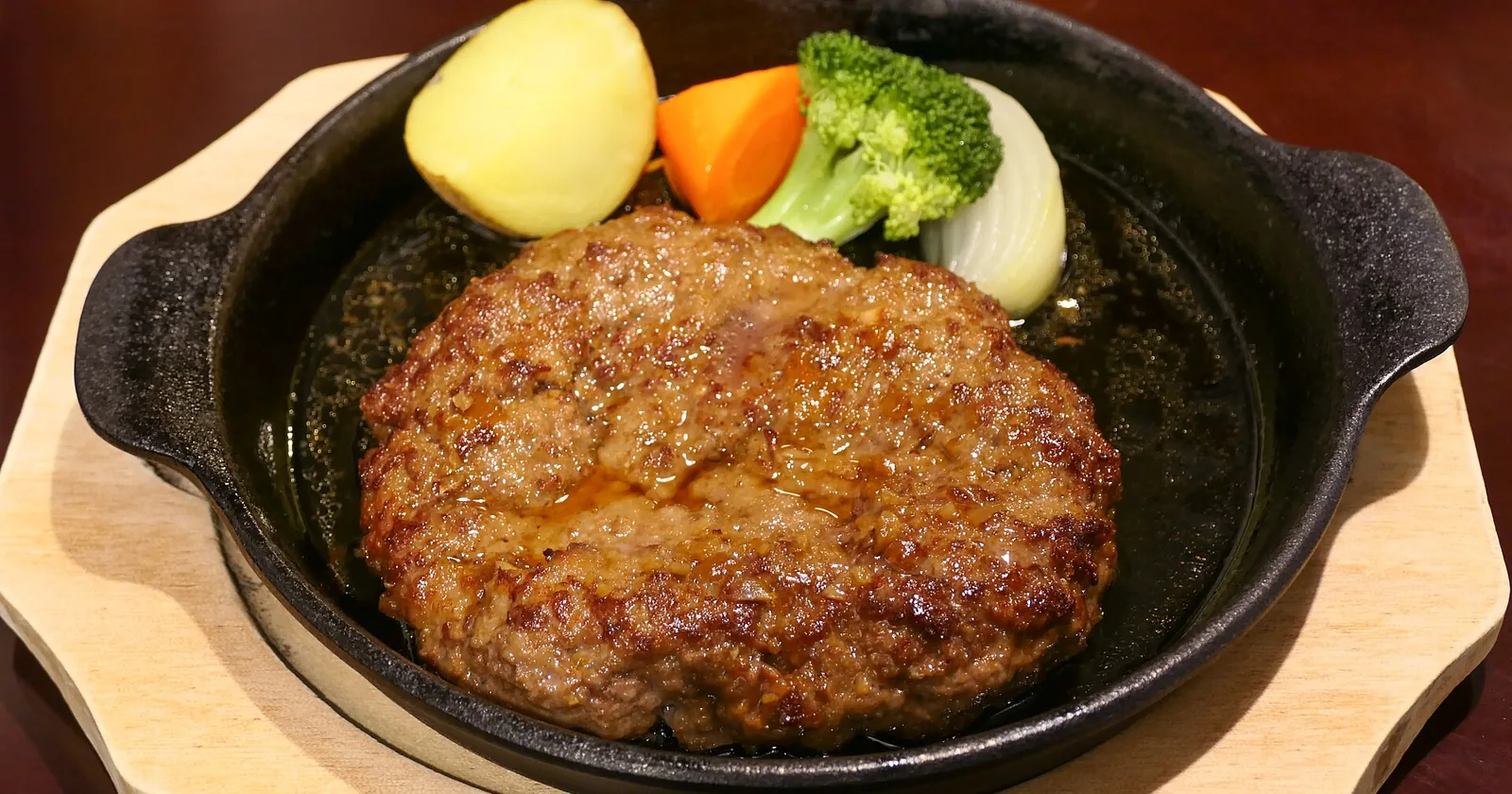
Hambagu is Japan's hamburger steak: a beef and pork patty built on a panko and milk panade, served sizzling with demi-glace or grated daikon. Here is the technique, the sauces, and the chains that made it a national obsession.
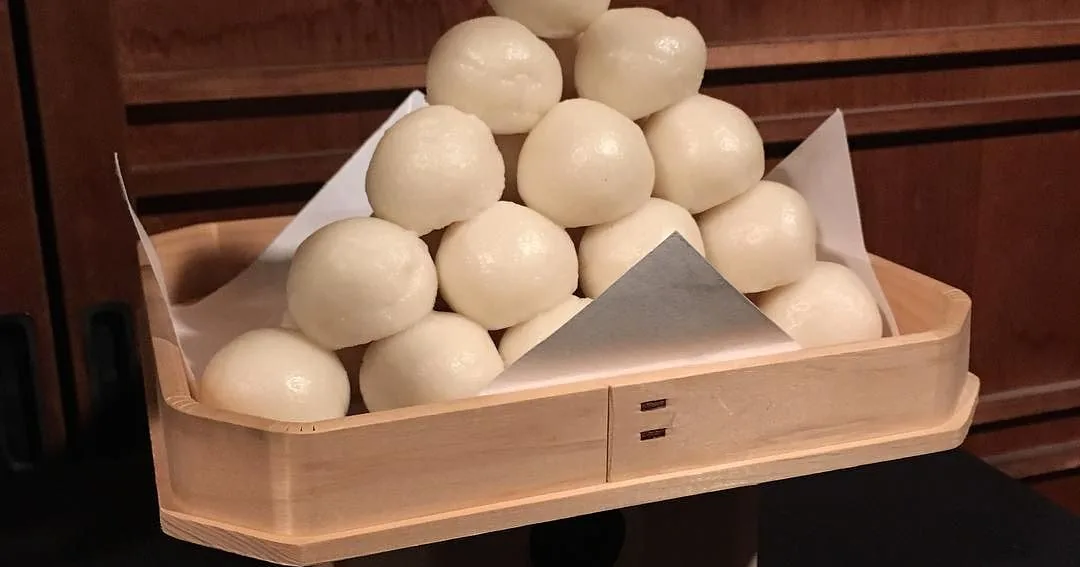
Tsukimi falls on 25 September 2026. Here is the full moon-viewing food canon: dango pyramids, susuki grass, taro, tsukimi soba and udon, and how McDonald's turned it into a fast-food season.
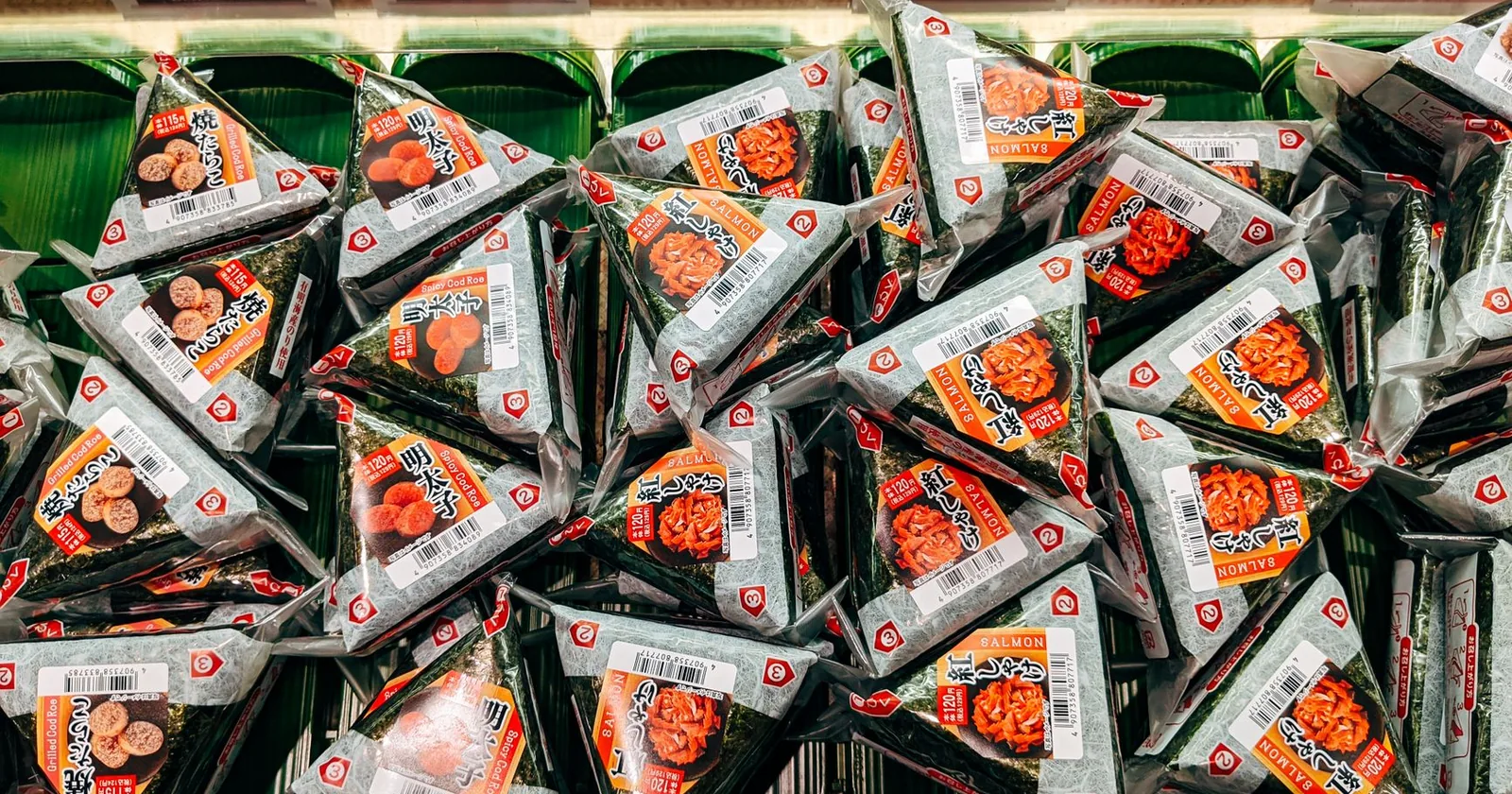
A complete guide to onigiri, Japan's rice ball: the sankaku, tawara and round shapes, classic fillings like umeboshi and salted salmon, the salted-hands technique, the nori wrapper, and how onigiri differs from sushi.
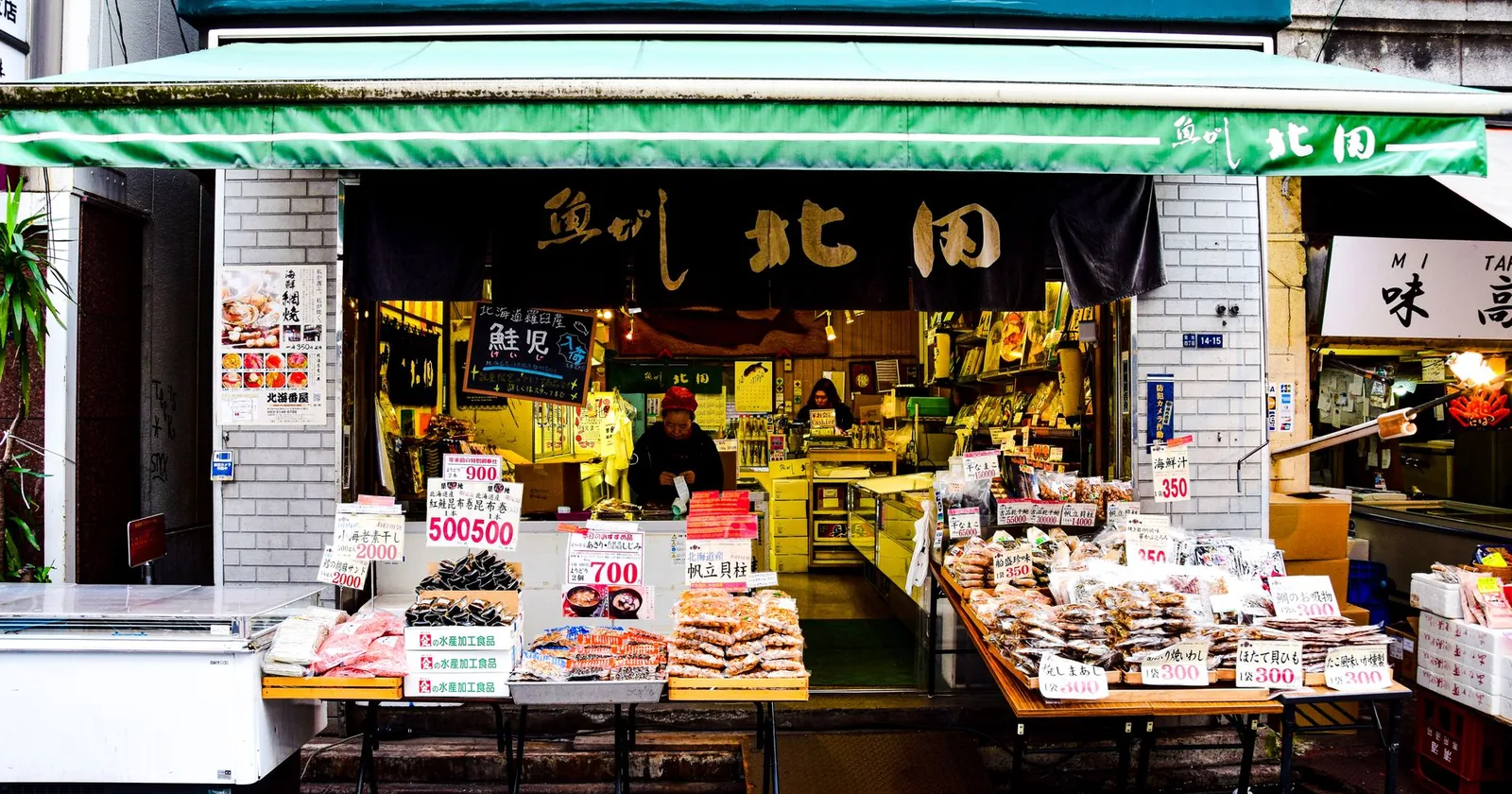
A complete guide to Japanese street food: yatai stalls, matsuri festival lanes, takoyaki, okonomiyaki, yakisoba, taiyaki, dango, kakigori, yakitori, and the etiquette of eating standing up.
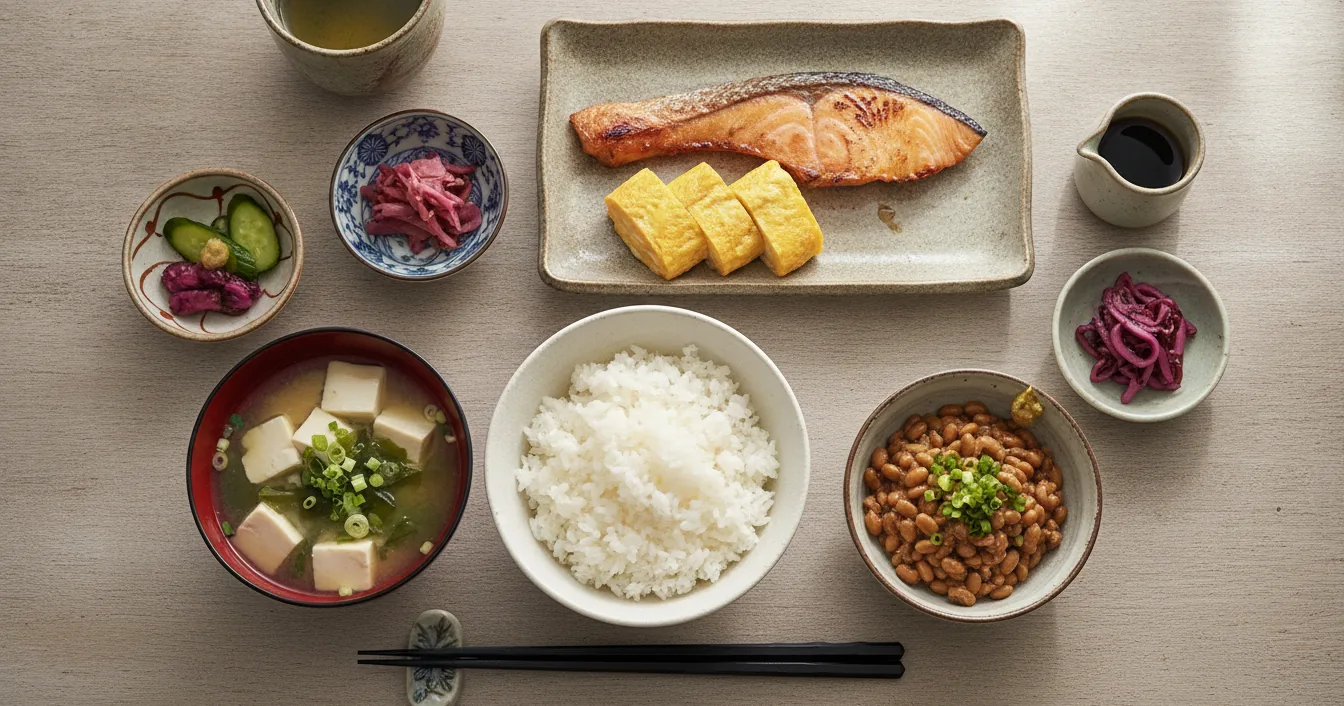
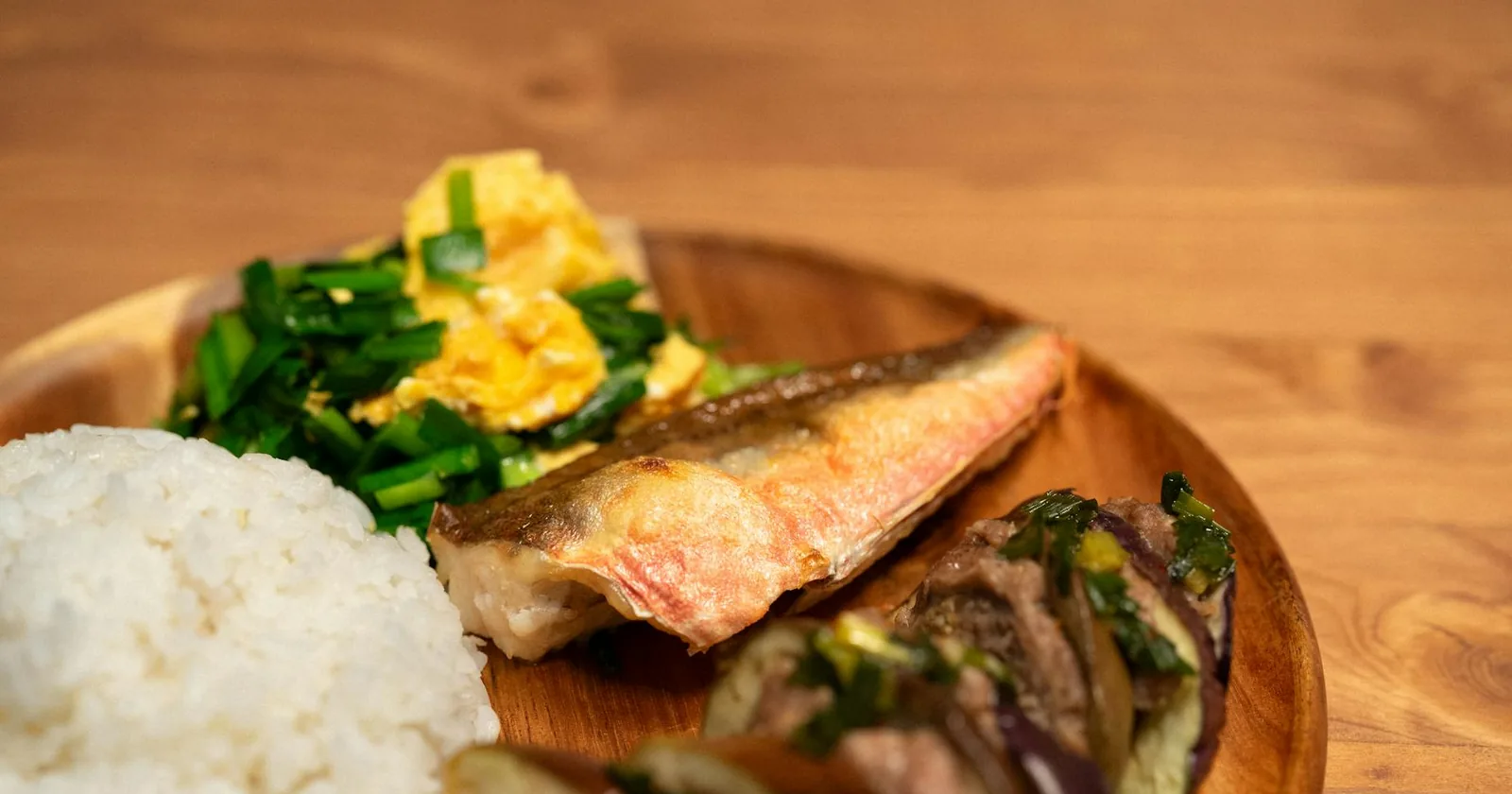
A complete guide to the traditional Japanese breakfast, asagohan: steamed rice, miso soup, grilled fish, tamagoyaki, pickles, natto, and nori, plus how modern households really eat.
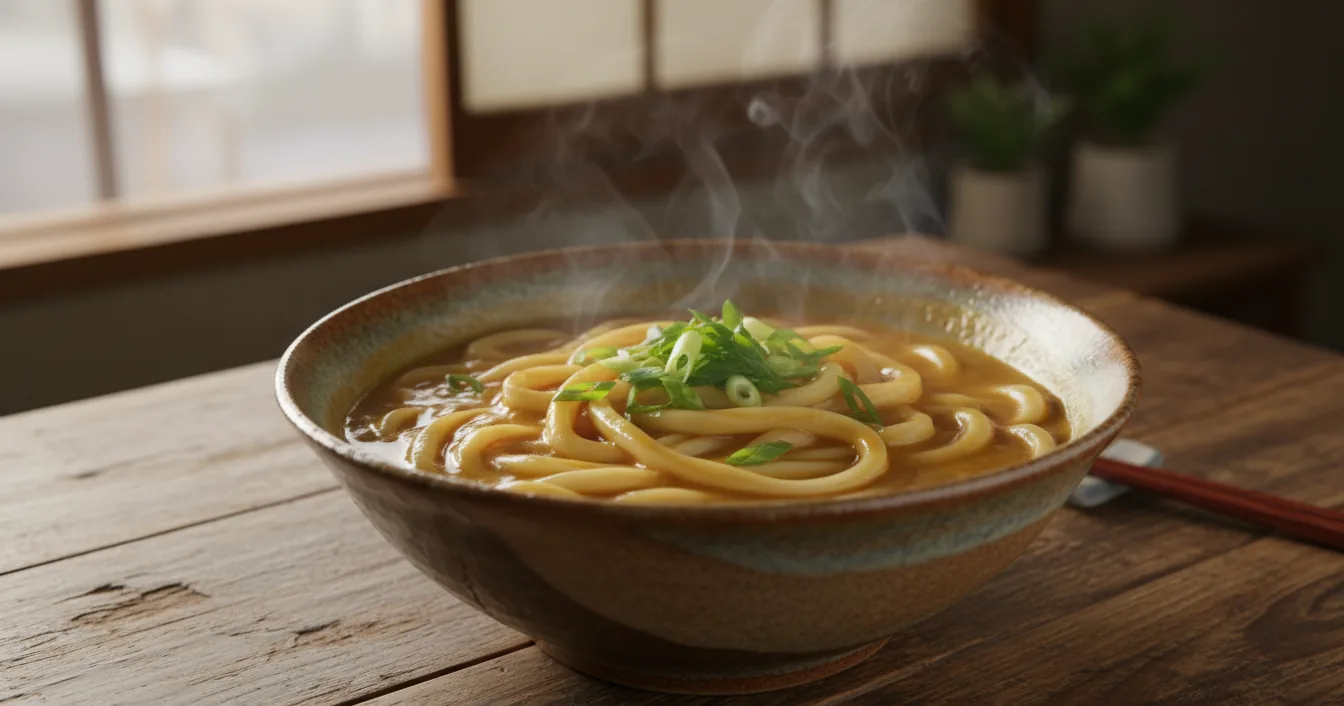
Kyoto curry udon stands apart from every other version in Japan: a light, dashi-forward ankake broth thickened with kuzu that clings to every noodle.
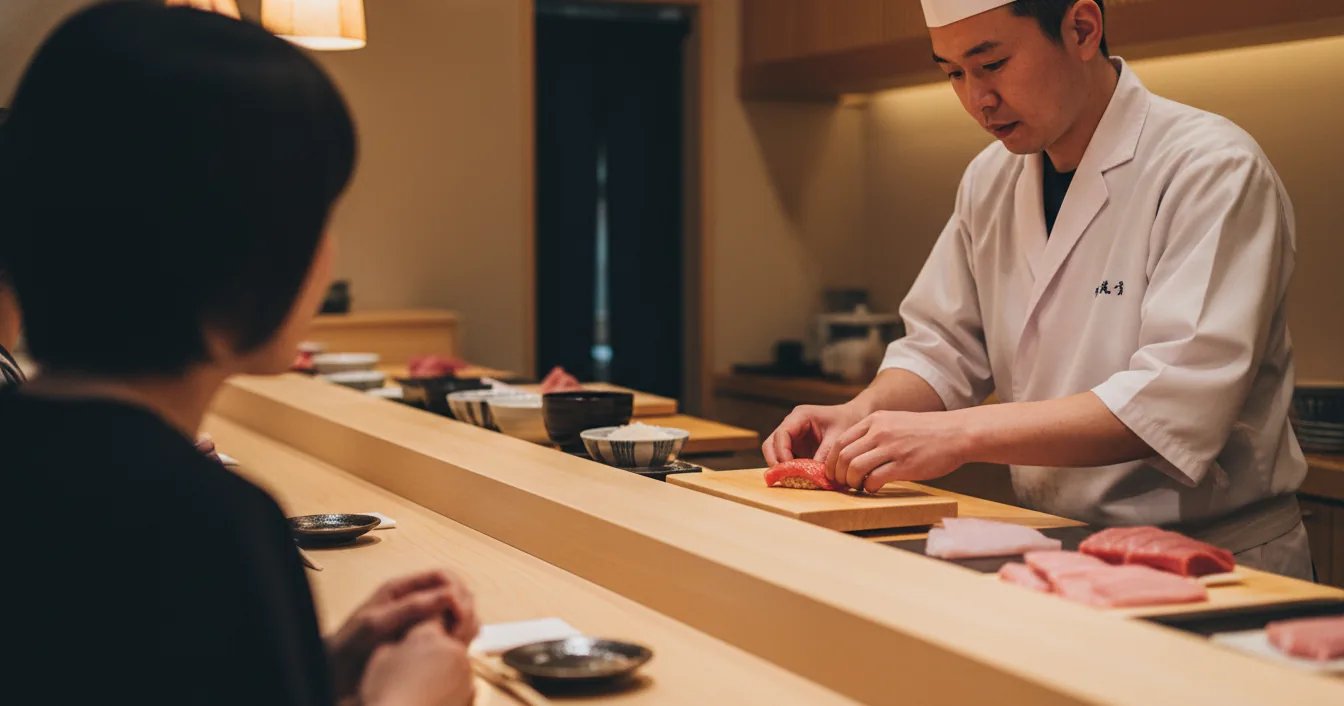
Omakase means leaving the menu to the chef. A guide to how Japan's chef's-choice dining works, how a meal flows, what it costs, and the etiquette of the sushi counter.
A practical guide to the sweets, savories, and drinks Japan eats under the cherry blossoms, with notes on what belongs in a real hanami bento and why the tradition exists at all.
A wave of Tohoku University research has singled out the 1975-style Japanese diet, not the 1960s or 1990s version, as the healthiest. Here is what the studies actually found and what the plate looks like.